
How to Prepare Your Lot for New Construction in Florida: Complete Guide
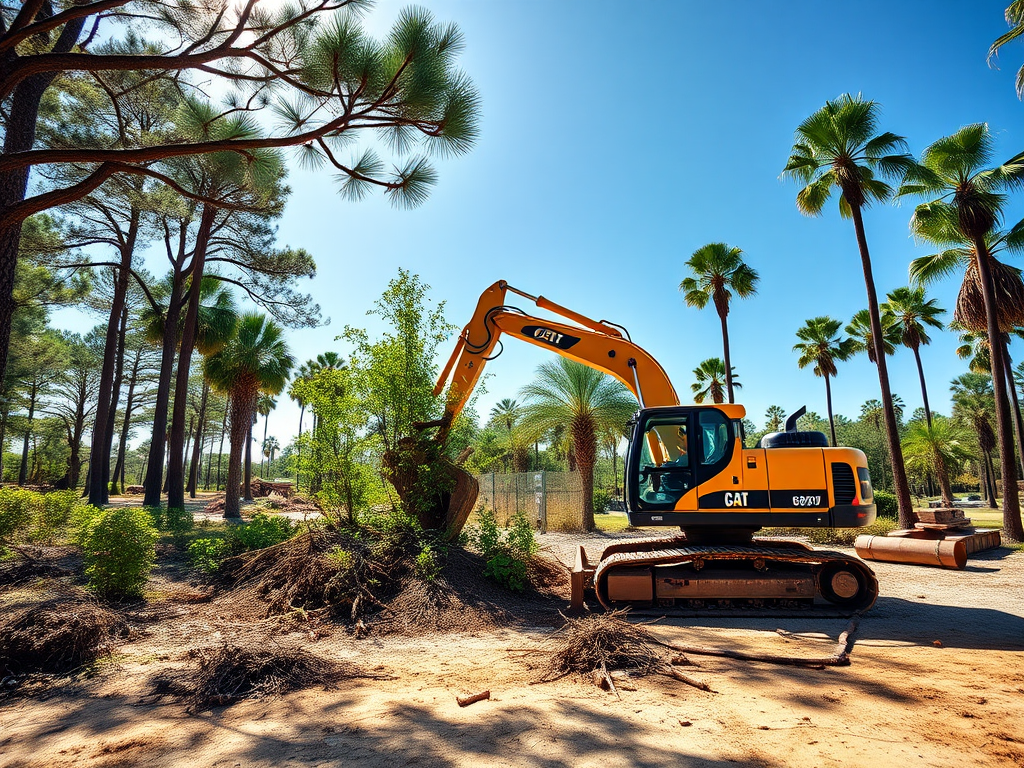
*Image is AI-generated for illustrative purposes and may not represent actual project results.
Building a new home in Florida requires careful lot preparation to ensure a stable foundation and successful construction project. From navigating wetland regulations to dealing with sandy soils and high water tables, Florida presents unique challenges that proper site preparation must address. This comprehensive guide walks you through every step of preparing your Florida lot for new construction.
Timeline Overview
Complete lot preparation in Florida typically takes 6-12 weeks from initial survey to construction-ready status. Wetland areas or properties requiring extensive engineering may need 12-16 weeks.
Step 1: Site Survey and Boundary Verification
Before any site work begins, you need a comprehensive understanding of your property boundaries, topography, and existing conditions. This initial survey provides the foundation for all subsequent planning and permitting.
Types of Surveys Required
Boundary Survey
Cost: $300-800 for typical residential lots
Establishes exact property lines, easements, and setback requirements. Essential for building permit applications and avoiding encroachment issues.
Topographic Survey
Cost: $500-1,200 for residential properties
Maps elevation changes, natural features, and existing structures. Critical for drainage planning and foundation design in Florida's flat terrain.
ALTA Survey (Commercial)
Cost: $1,500-5,000 for complex properties
Comprehensive survey meeting American Land Title Association standards. Required for title insurance on commercial projects and high-value residential construction.
What Your Survey Should Identify
- Property corners and boundary lines: Marked with permanent monuments
- Easements and rights-of-way: Utility, drainage, or access easements affecting construction
- Existing structures: Buildings, pools, septic systems, wells
- Natural features: Wetlands, water bodies, significant trees
- Utility locations: Above and below-ground services
- Flood zone designation: Base flood elevation requirements
Step 2: Environmental Assessments and Permits
Florida's environmental regulations are among the nation's most comprehensive. Early identification of environmental constraints can prevent costly delays and design changes later in the process.
Wetland Determination
Many Florida properties contain jurisdictional wetlands that require federal and state permits for any disturbance. A professional wetland delineation determines if your property contains regulated wetlands.
Wetland Delineation Process
- Desktop review: Analyze aerial photos, soil surveys, and regulatory maps
- Field investigation: Professional assessment of vegetation, soils, and hydrology
- Boundary marking: GPS mapping and physical flagging of wetland boundaries
- Regulatory review: Submission to Corps of Engineers and/or SWFWMD for verification
Timeline: 4-12 weeks depending on property size and regulatory complexity
Protected Species Surveys
Florida is home to numerous protected species that can affect construction timelines and methods:
- Gopher tortoises: Require relocation permits and specialized handling
- Listed bird species: Nesting season restrictions on clearing activities
- Listed plants: Native orchids, coontie, and other protected flora
- Bald eagles: Nest protection zones with activity restrictions
Required Environmental Permits
| Permit Type | When Required | Timeline | Cost Range |
|---|---|---|---|
| Environmental Resource Permit (ERP) | Projects disturbing >1 acre or affecting wetlands | 60-120 days | $500-5,000 |
| 404 Wetland Permit | Filling/altering jurisdictional wetlands | 120-365 days | $1,000-25,000 |
| Gopher Tortoise Permit | Active burrows on construction site | 30-60 days | $300-2,000 |
| Tree Removal Permit | Protected trees >18" diameter | 10-30 days | $25-500 |
Step 3: Land Clearing and Vegetation Removal
Once surveys and environmental permits are complete, land clearing can begin. Florida's clearing requirements depend on property conditions, permit restrictions, and construction timeline needs.
Pre-Clearing Requirements
- Utility marking: Call 811 at least 48 hours before any excavation
- Protected tree marking: Flag trees to be preserved per permit requirements
- Erosion control installation: Silt fencing around disturbed areas
- Wildlife surveys: Final check for active nests or burrows
Clearing Methods for Florida Properties
Selective Clearing
Best for properties with preservation requirements or mature desirable trees.
- Preserves: Heritage trees, required buffers
- Removes: Construction footprint only
- Cost: $3,000-8,000 per acre
- Timeline: 3-7 days per acre
Complete Clearing
Total vegetation removal for maximum flexibility in site design and construction.
- Removes: All trees, stumps, vegetation
- Benefits: Clean slate for construction
- Cost: $2,000-6,000 per acre
- Timeline: 1-3 days per acre
Florida Vegetation Considerations
Florida's unique plant communities require specialized handling:
- Invasive species: Brazilian pepper, melaleuca, and Australian pine require special disposal
- Native trees: Live oak, bald cypress, and longleaf pine may have preservation requirements
- Palmetto understory: Dense growth requires heavy equipment or forestry mulching
- Fire-adapted ecosystems: Pine flatwoods may require prescribed burning considerations
Step 4: Site Grading and Drainage Planning
Proper grading and drainage are critical in Florida due to flat topography, sandy soils, and intense rainfall. Poor drainage leads to foundation problems, flooding, and permit violations.
Florida-Specific Grading Challenges
Common Grading Issues in Florida
- Flat topography: Limited natural drainage requiring engineered solutions
- High water table: Seasonal flooding and foundation challenges
- Sandy soils: Rapid drainage but poor compaction and erosion risk
- Intensive rainfall: 6+ inches per hour during summer storms
- Tidal influences: Coastal properties affected by storm surge and king tides
Drainage System Design
Florida drainage systems must handle extreme rainfall while protecting water quality:
Surface Drainage Components
- Swales and berms: Direct runoff away from structures
- Retention ponds: Store and slowly release stormwater
- French drains: Subsurface drainage for persistent wet areas
- Overflow spillways: Emergency drainage for extreme events
Stormwater Management Requirements
Most Florida construction projects must meet stormwater treatment and attenuation requirements:
- Water quality treatment: First inch of rainfall must be treated
- Quantity control: Post-development runoff cannot exceed pre-development rates
- Flood protection: 25-year storm protection for residential areas
- Maintenance access: Permanent access for system upkeep
Step 5: Soil Testing and Foundation Preparation
Florida's diverse soil conditions require comprehensive testing to ensure proper foundation design and construction methods.
Required Soil Tests
Geotechnical Investigation
Cost: $1,500-4,000 for residential projects
Determines bearing capacity, settlement potential, and recommended foundation types. Essential for all Florida construction due to variable soil conditions.
Environmental Site Assessment
Cost: $2,000-8,000 depending on property history
Phase I and potentially Phase II assessments for contamination, especially important for previously developed or agricultural properties.
Percolation Test
Cost: $300-800 for septic systems
Required for on-site septic systems. Determines soil absorption rates and appropriate system sizing.
Common Florida Soil Types
| Soil Type | Characteristics | Foundation Recommendations | Special Considerations |
|---|---|---|---|
| Sandy Soils | Well-draining, low bearing capacity | Deep foundations, spread footings | Compaction required, erosion control |
| Clay Soils | Poor drainage, high plasticity | Engineered fill, moisture control | Expansion/contraction issues |
| Organic Soils (Muck) | High organic content, compressible | Soil replacement, deep pilings | Settlement concerns, dewatering |
| Limestone | Hard rock, sinkhole potential | Drilled shafts, void filling | Karst topography, ground penetrating radar |
Step 6: Utility Planning and Hookups
Coordinating utility services requires early planning in Florida due to high demand and seasonal weather constraints affecting installation schedules.
Utility Service Planning
Electrical Service
- Application timing: 6-12 weeks before needed
- Underground vs overhead: Underground preferred in Florida for storm protection
- Service size: Most new homes require 200-amp service minimum
- Costs: $500-3,000 depending on distance and service size
Water and Sewer
- Municipal vs well/septic: Depends on location and availability
- Connection fees: $2,000-15,000 for municipal services
- Impact fees: Additional charges for new development capacity
- Meter installation: Coordinated with final inspections
Natural Gas
- Availability: Check service area coverage first
- Installation costs: $300-2,000 depending on distance
- Safety requirements: Proper depth and clearances from other utilities
- Alternative: Propane tanks where natural gas unavailable
Internet/Communications
- Provider options: Research fiber, cable, DSL availability
- Installation timing: Can often be done after construction
- Infrastructure requirements: Conduit planning for buried services
- Emerging technology: 5G and satellite internet considerations
Septic Systems in Florida
Many Florida properties outside municipal sewer areas require on-site septic systems with specific design requirements:
- System sizing: Based on home size and bedroom count
- Advanced treatment: Many areas require aerobic treatment units
- Setbacks: Minimum distances from wells, property lines, and water bodies
- Soil conditions: Percolation rates determine system type and size
- Permitting: Health department approval required before installation
Step 7: Foundation Preparation and Final Site Work
The final phase of site preparation creates construction-ready conditions while ensuring compliance with all permit requirements and engineering specifications.
Foundation Types for Florida Construction
Slab-on-Grade
- Best for: Well-draining sandy soils
- Advantages: Lower cost, faster construction
- Requirements: Proper soil compaction, vapor barriers
- Cost: $4-7 per square foot
Crawl Space/Stem Wall
- Best for: Flood-prone or high water table areas
- Advantages: Utility access, flood protection
- Requirements: Proper ventilation, moisture control
- Cost: $6-10 per square foot
Final Site Preparation Steps
- Excavation: Dig foundation areas to engineered specifications
- Soil compaction: Achieve required density for structural support
- Utility rough-ins: Install underground services before foundation
- Inspection scheduling: Coordinate required inspections with construction timeline
- Erosion control maintenance: Ensure BMPs remain effective throughout construction
Quality Control and Inspections
Florida construction requires multiple inspections to ensure code compliance and structural integrity:
- Footing inspections: Before concrete placement
- Underground utilities: Before backfilling
- Soil compaction testing: Nuclear density or other approved methods
- Stormwater system inspection: Verify proper installation and function
- Environmental compliance: Erosion control and permit adherence
Cost Summary and Timeline
Understanding total costs and realistic timelines helps ensure adequate budget and schedule planning:
Typical Lot Preparation Costs (Florida)
Surveys and Engineering
- Boundary survey: $300-800
- Topographic survey: $500-1,200
- Geotechnical report: $1,500-4,000
- Environmental assessment: $2,000-8,000
Site Work
- Land clearing: $2,000-8,000 per acre
- Grading and drainage: $3,000-12,000
- Utility connections: $5,000-25,000
- Foundation prep: $2,000-8,000
Total Range: $15,000-65,000 for typical residential lot
Project Timeline Breakdown
- Weeks 1-2: Initial surveys and site assessment
- Weeks 3-8: Permit applications and environmental reviews
- Weeks 9-10: Land clearing and initial site work
- Weeks 11-12: Grading, drainage, and utility installation
- Weeks 13-14: Foundation preparation and final inspections
- Week 15: Construction-ready status
Professional Site Preparation Services
Tampa Land Prep provides comprehensive lot preparation services throughout Florida, handling everything from initial surveys through construction-ready site conditions. Our experienced team navigates complex environmental regulations and ensures your project stays on schedule and within budget.
Get Site Preparation Quote